And Why That's Only Half the Story.
By Daniela Proaño Miranda (Senior Research Professional / Southern Europe Lead)
Everyone is talking about why Spain attracts clinical trials.
I think the more interesting question is:
What happens after they arrive?
In 2025 alone, 962 clinical trials were authorised; the highest number in the European Union for another year.
Behind these figures is a combination of
🔬 experienced investigators,
🏥 a strong public hospital network,
👥 engaged patients
⚖️ and a regulatory environment that has continuously evolved to support innovation.
But what I find even more interesting is what happens after that success.
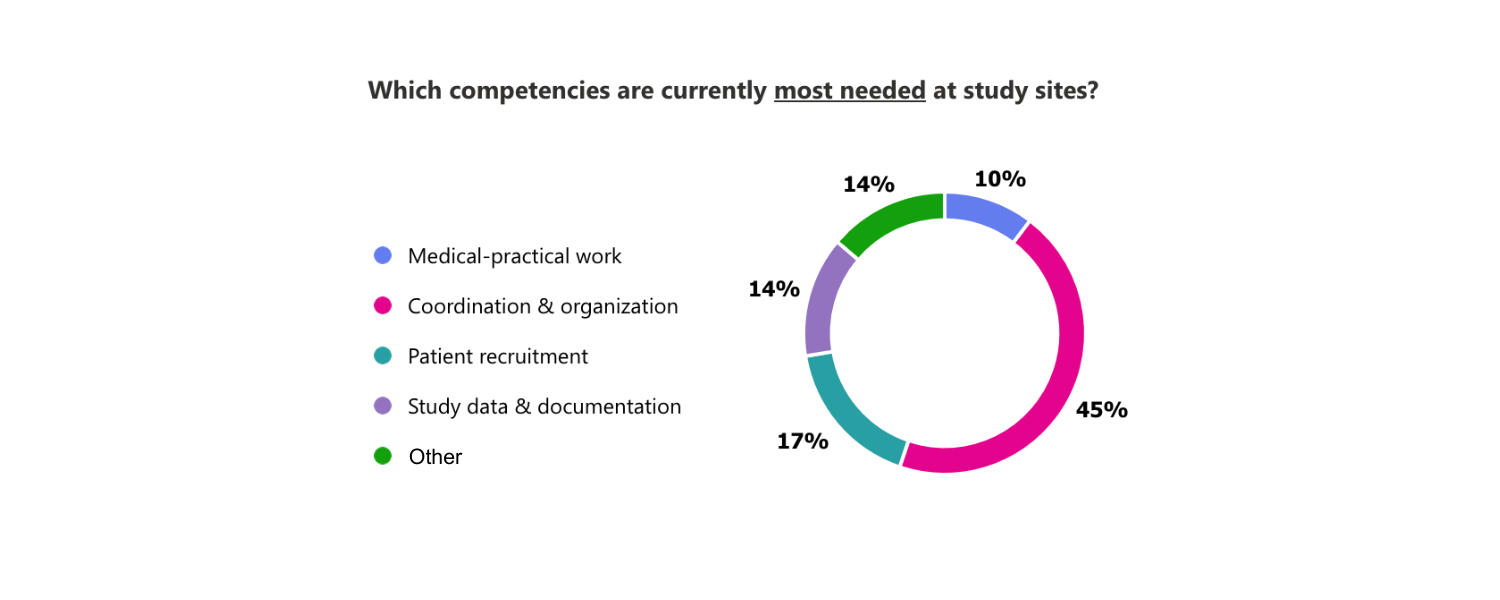
As more studies are placed in the country, the challenge is no longer attracting clinical trials.
The challenge is having enough operational capacity to conduct them.
More studies mean:
📌 More patient visits.
📄 More documentation.
💻 More systems.
🤝 More coordination between sponsors, CROs and study sites.
And all of this often falls on the same research teams, who continue balancing clinical care with research activities.
This isn't a uniquely Spanish challenge.
If anything, Spain is simply experiencing what many other European countries will also face as clinical research continues to grow.
The next competitive advantage may not be attracting more studies.
It may be ensuring that study sites have the people, operational support and infrastructure needed to conduct them sustainably, without compromising quality or overloading research teams.
As someone working between the German and Spanish clinical research environments,
I believe there is a lot we can learn from both.
I'm curious: what do you think will become the biggest operational challenge for clinical research over the next five years? If you would like to discuss this topic or share your perspective, feel free to get in touch with us at info@camovis.de .







Kommentare zu diesem Blog